ENERGY INSIGHTS · Microgrids
Sharing surplus solar electricity without a battery in every home
A design connecting forecasts with shared storage, charging and settlement.
Solar surplus often arrives around midday, while household demand rises after sunset. NanoGrid AI explores how shared storage and coordinated charging could bridge that gap without every home buying a battery. This article describes a public design and demonstration, not a live trading service.
Before storing energy, forecast when there will be a surplus
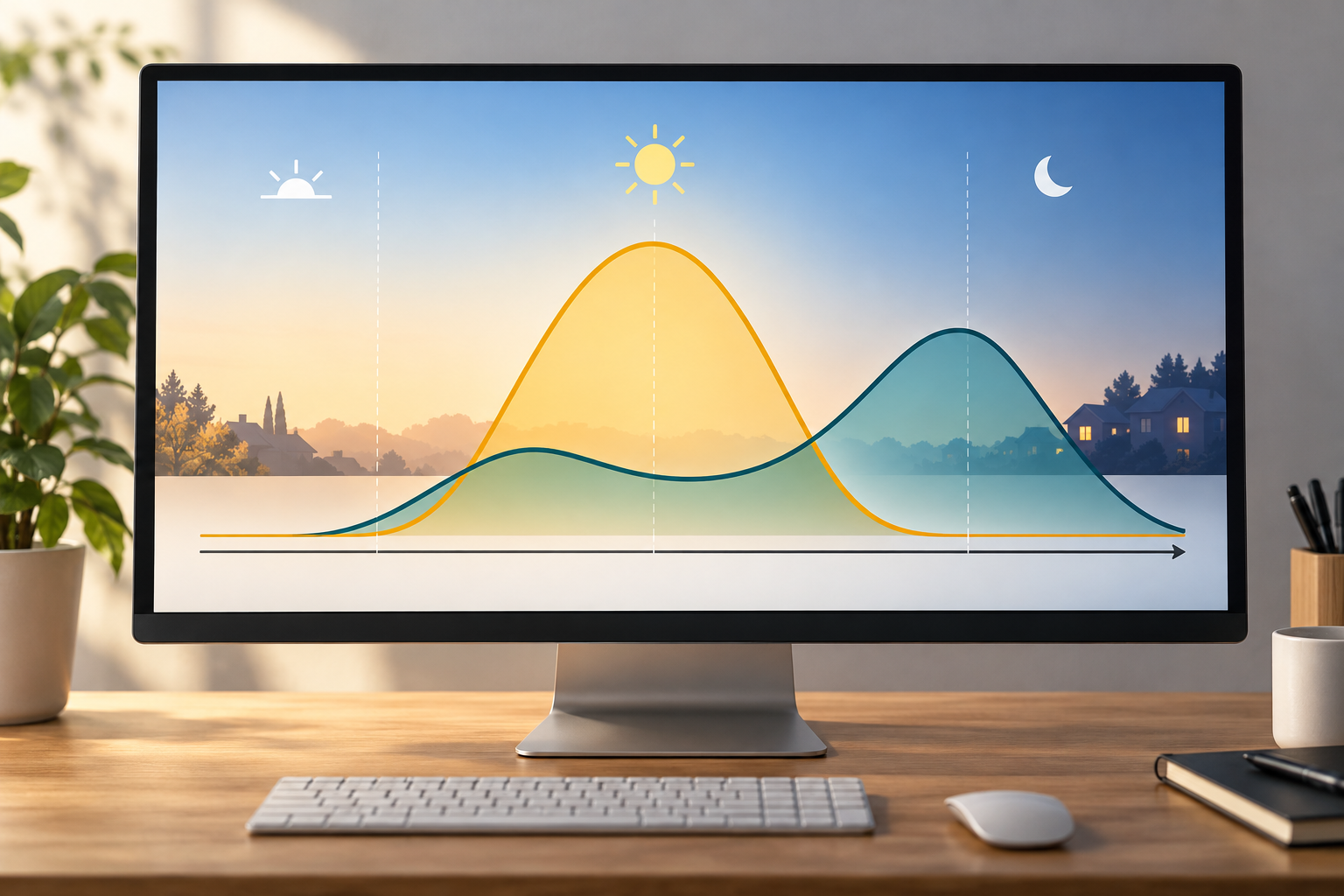
NanoGrid AI forecasts periods of surplus and shortage at villages, bus depots and charging sites. Demand, solar and batteries are represented in 15-minute intervals and compared with forecasts.
When a surplus is expected, a plan can direct it into a battery or schedule EV charging for that period. Identifying where the energy could go is the starting point.
A demonstration of terms agreed directly by neighbours
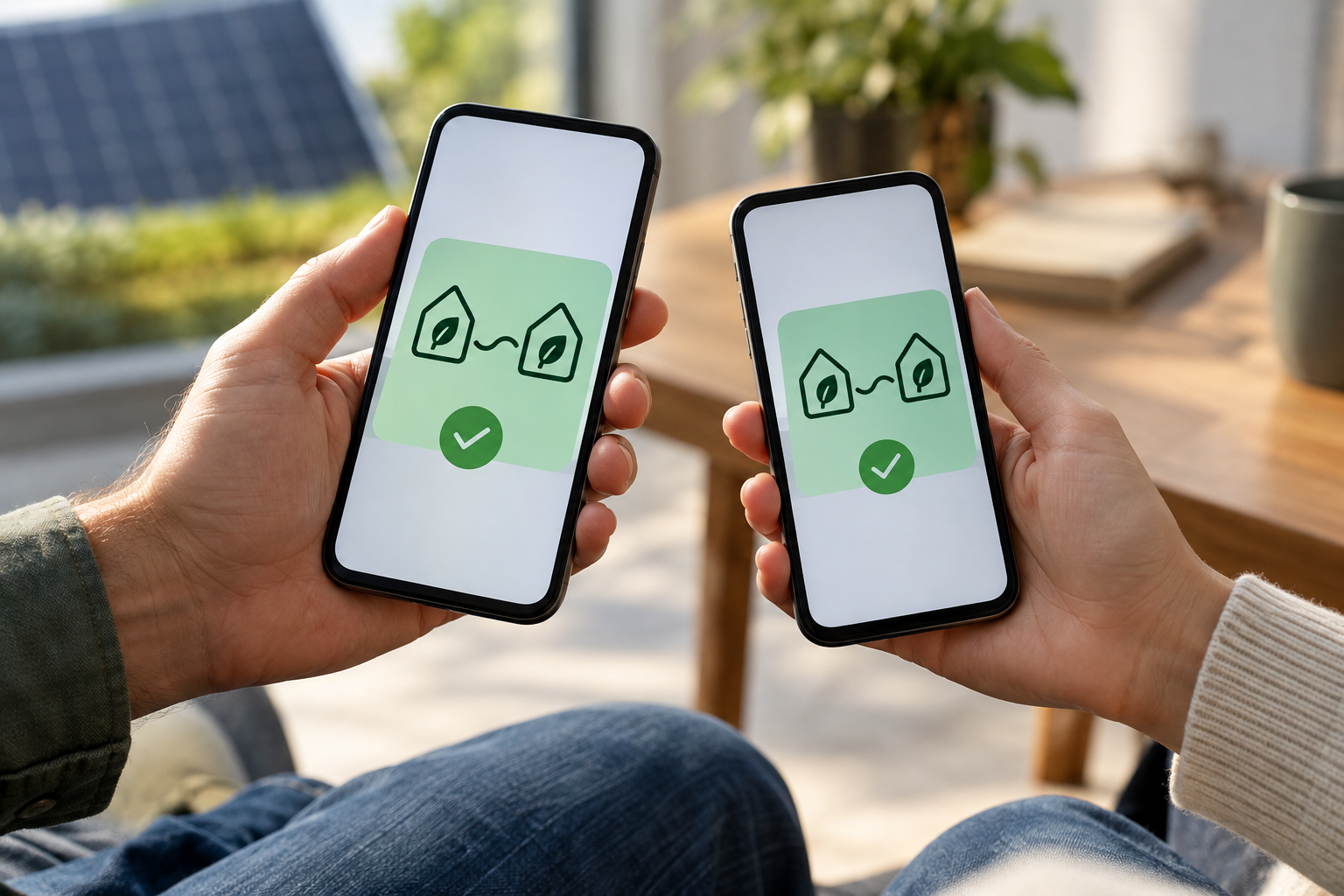
One example is using surplus solar between 13:00 and 15:00 to charge a neighbour's EV. AI explains possible supply and costs and drafts terms; the server validates the values and creates a version.
Both seller and buyer must approve the same version. The current demo uses 2 people, 1 charging site and a day's example data. It does not connect actual contracts or payments, and legal feasibility has not been established.
Settlement is based on meter readings
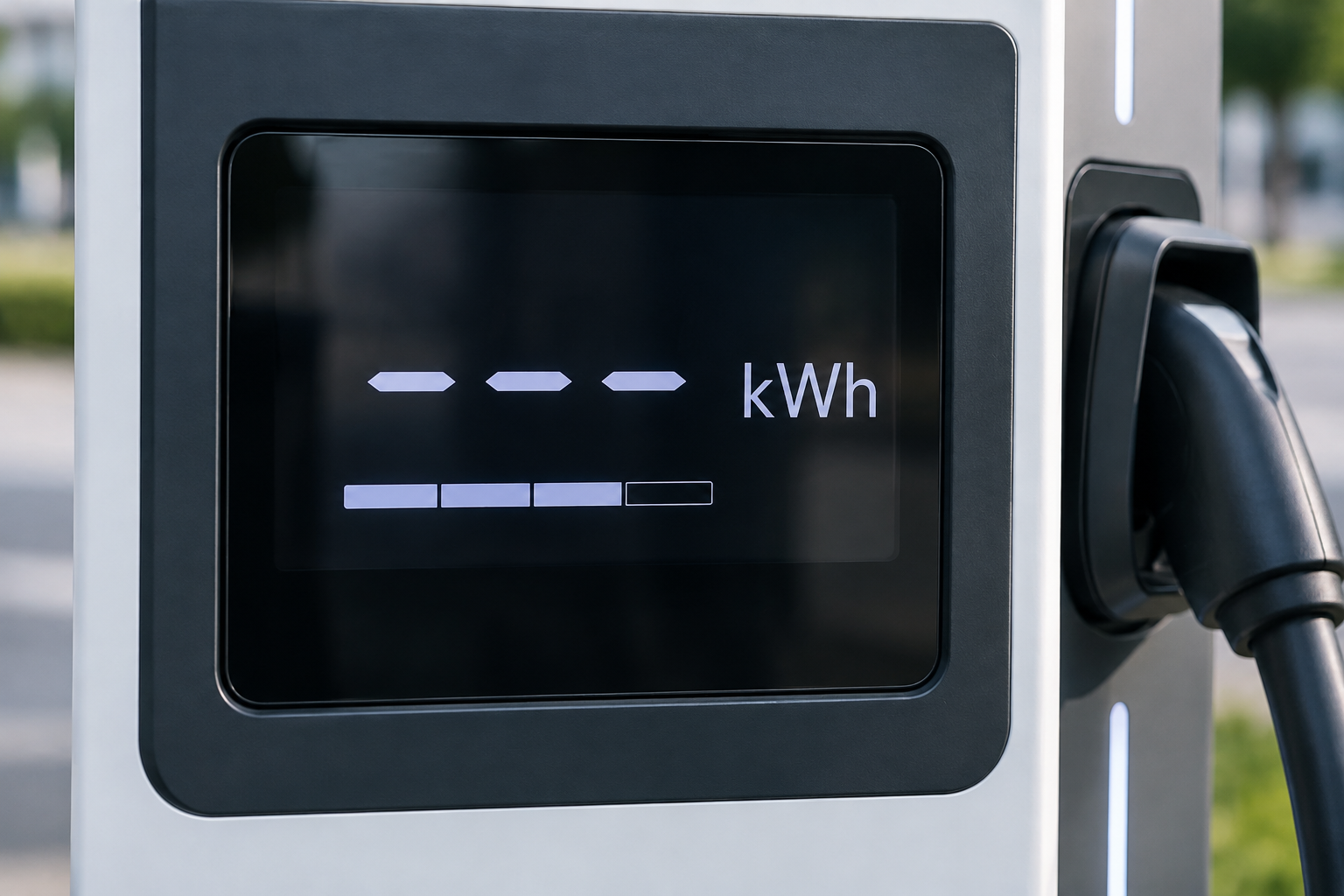
Sharing requires a clear record of who supplied and used electricity. The demo uses charging-site meter values to calculate the supplied quantity; charging is simulated.
Tariffs and revenue values come from the database and calculations. AI explains the calculated values rather than inventing numbers.
What this suggests for balcony solar

Daytime generation brings less benefit when it cannot be used directly. Moving suitable washing or dishwashing tasks into daylight hours can increase self-consumption.
Sharing electricity between neighbours depends on local rules, contracts and technical arrangements. The demonstration does not establish permission to trade electricity in any jurisdiction.